
Local business owners hear terms like “website programming”, “Next.js”, and “WordPress” all the time.
But here’s the problem:
You don’t care about buzzwords.
You care about calls, bookings, and leads.
If your website looks “fine” but isn’t bringing in new customers consistently, it’s usually not a design problem. It’s a website programming problem:
- How your site is built
- How fast it loads
- How well Google can read it
- How easily visitors can become leads
In this guide, I’ll break down website programming in simple language, show you the difference between Next.js vs WordPress for business websites, and explain how tools like web development, performance optimization, and local SEO (what we do at rankmehi.com) turn your site from an online brochure into a lead machine.
What Is Website Programming? (In Plain English)
Most explanations of “website programming” are written for developers, not business owners. Let’s fix that.
Website programming is simply:
The process of using code and tools to build how your website looks, works, loads, and connects to other systems so visitors can do what you want them to do (call, book, buy, contact).
It covers things like:
- How your pages are built and structured
- How fast they load on phones and slow internet
- How your forms, booking tools, and chat work
- How Google and other search engines read your content
- How secure and stable everything is
You don’t need to write code yourself. But you do need to understand what matters, so you don’t end up with:
- A “pretty” site that loads slowly and kills conversions
- A cheap DIY build that’s impossible to rank in Google
- A bloated site that breaks whenever you update something
Front-End vs Back-End (Without the Jargon)
Most modern business websites have two main sides:
- Front-End: What your visitors see
- Design, layout, buttons, images, forms
- Back-End: What happens behind the scenes
- Where data is stored (like form submissions), how the site is generated, how it talks to other services (CRMs, email tools, booking systems)
Good website programming makes sure these two sides:
- Work together smoothly
- Are fast and secure
- Are easy to maintain and update
At rankmehi.com, we focus on front-end frameworks like Next.js for speed and SEO, and well-structured back-ends that don’t get in your way.
Why Website Programming Matters for Leads (Not Just “Looking Professional”)
You might think:
“We already have a website. People can find our phone number. That’s enough, right?”
Not anymore.
Today, your website is competing against:
- Faster sites in the same city or niche
- Big platforms like Yelp, Google Maps, booking apps
- Competitors who have invested in performance, SEO, and conversion-focused design
Here’s why good website programming directly affects your leads:
- Speed = Trust + Conversions
- If your site loads slowly on mobile, people bounce.
- Google also uses speed (Core Web Vitals) as a ranking factor.
- Structure = SEO Visibility
- Poorly coded pages are harder for Google to crawl and understand.
- Good structure (clean code, proper headings, sitemaps) makes ranking easier.
- UX & Logic = More Form Fills & Calls
- Clear paths: homepage → service → contact
- Smart form handling: confirmation messages, tracking, notifications.
- Scalability = Less Pain Later
- If you want to add a blog, booking system, or new location pages later, bad programming makes it slow, expensive, or risky.

Website Programming Options: Next.js vs WordPress for Business Websites
Two of the most common tech choices for business sites today are:
- WordPress – very popular, powers a huge chunk of the web
- Next.js – a modern framework built on React (used by many fast, modern websites)
You don’t need to know how to code them—but choosing the right platform matters for:
- Speed
- SEO
- Flexibility
- Cost of future changes
Here’s a simple comparison:
Next.js vs WordPress: Which Is Better for Your Business?
| Feature / Need | Next.js | WordPress |
|---|---|---|
| Speed & Performance | Excellent when built well; very fast, great for Core Web Vitals | Good if optimized; many sites end up slow from heavy themes/plugins |
| SEO Potential | Very strong; server-side rendering and good control over structure | Strong; lots of SEO plugins, but can be messy if misconfigured |
| Ease of Content Updates | Needs a CMS attached (like headless CMS); can be set up to be user-friendly | Very easy; built-in editor and lots of page builders |
| Design Flexibility | Very flexible; fully custom experiences | Flexible but often tied to themes and builders |
| Security | Very secure when handled correctly; less plugin bloat | Needs regular updates; plugins/themes can create vulnerabilities |
| Best For | Businesses that care about speed, performance, and a long-term scalable site (often with a dev partner) | Businesses that want to get online quickly with lots of existing templates and plugins |
| Ongoing Maintenance | Usually handled by a dev/agency (like rankmehi.com) | Can be DIY, but easily breaks without proper care |
Which Should a Local Business Choose?
If you’re a local business in places like California, Washington DC, Los Angeles, or Costa Mesa, here’s a simple way to think about it:
- Choose WordPress if:
- You have a very tight budget
- You need something fast and simple
- You’re okay with using a template and accepting some performance tradeoffs
- Choose Next.js (what we prefer at rankmehi.com) if:
- You care about speed and SEO
- You plan to grow (more services, more locations, more content)
- You want a clean, custom, performance-focused site that you can build on for years
In many cases, our clients start on something basic, then rebuild in Next.js when they’re ready to take their website seriously as a lead engine.
How Website Programming, Performance, and Local SEO Work Together
Here’s where most business owners get stuck:
They hire someone to “build a website”…
Later they hire someone else to “do SEO”…
Maybe a third person to “run ads”.
But none of it works well because the foundation—your website programming—is weak.
Think of it like this:
- Web development (website programming) = the foundation and structure of your building
- Performance optimization = how easy it is to get in, move around, and find what you need
- Local SEO = the signs and directions that guide people from the street (Google) to your door
When these three parts are designed together, your site can:
- Load fast (especially on mobile)
- Rank better for local searches (“dentist near me”, “plumber in Costa Mesa”, etc.)
- Convert more of your visitors into calls, bookings, or quote requests
At rankmehi.com, our typical project for local businesses in the US looks like this:
- Discovery & Audit
- We review your current site, performance, and search visibility.
- Programming & Structure
- Decide the right stack (often Next.js + a clean CMS).
- Plan page structure: services, locations, blog, contact.
- Performance Layer
- Optimize for speed, Core Web Vitals, mobile UX.
- Local SEO Layer
- On-page SEO: titles, meta descriptions, content structure.
- Location pages: e.g., “Web Development in Los Angeles, CA” or for your own niche.
- Google Business Profile alignment.
- Conversion Layer
- Clear calls to action.
- Simple forms and tracking.
- Thank-you pages and follow-up.
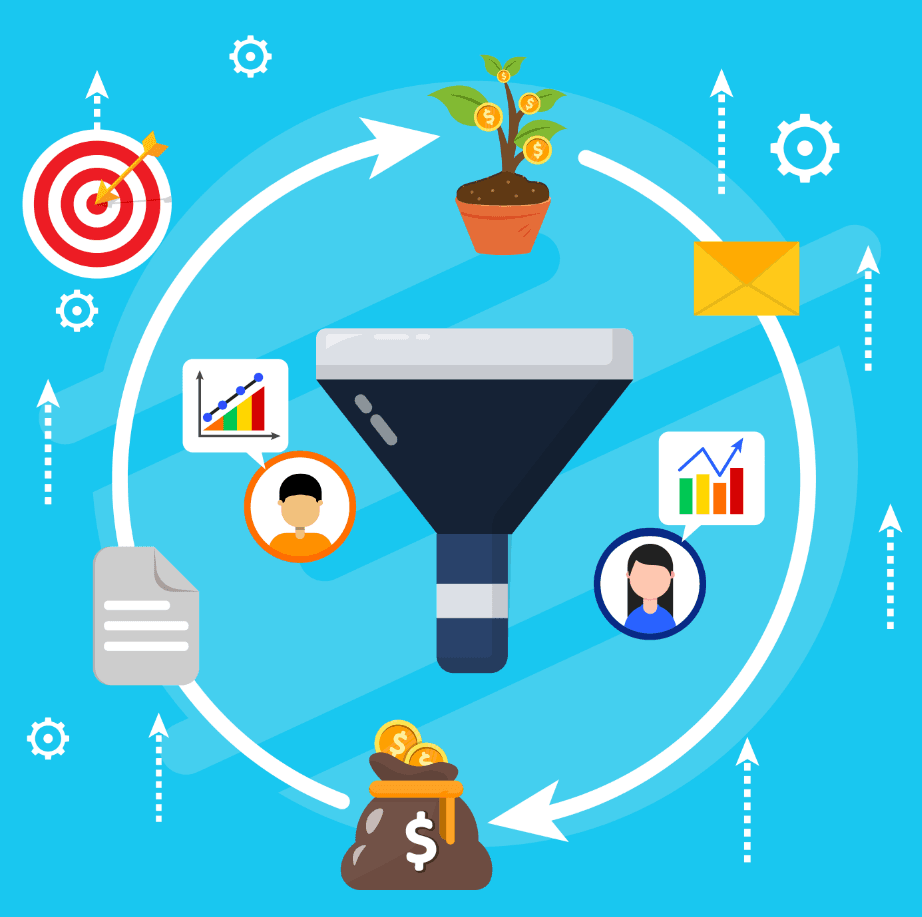
- Placement: After this process explanation
- Idea: Simple funnel graphic: “Visitors → Website (fast & optimized) → Leads → Customers”
- Alt text:
Diagram showing how website programming, performance, and local SEO work together to turn visitors into leads
Common Website Programming Mistakes That Hurt Local Businesses
You don’t need to audit your own code, but it helps to know the red flags.
Here are some common website programming mistakes we see from local businesses in places like Los Angeles, Costa Mesa, and DC:
1. Heavy Themes and Too Many Plugins
- Typical on WordPress sites built with drag-and-drop page builders.
- Result: slow load times, broken pages after updates, security risks.
Fix:
- Use a lean, well-coded theme or move to a custom Next.js build.
- Remove non-essential plugins; keep only what you truly need.
2. No Attention to Mobile Performance
- Site looks okay on desktop but terrible or slow on phones.
- Buttons too small, text too tiny, forms painful to use.
Fix:
- Build “mobile-first” with responsive design.
- Test pages on 4G connections and older phones, not just your office Wi-Fi.
3. Poor URL and Page Structure
- Confusing URL patterns:
/page-id-123or/uncategorized/service-2 - No clear separation of:
- Services
- Locations
- Blog posts
Fix:
- Use clean URLs like:
/services/web-development//locations/costa-mesa-web-design/- Group content into logical categories for SEO.
4. No Technical SEO Setup
- No XML sitemap
- No proper meta tags
- No schema markup for local businesses
Fix:
- Add and submit your sitemap to Google Search Console.
- Make sure each page has a proper, unique title and meta description.
- Use local business schema to help Google understand your business.
5. No Tracking or Lead Attribution
- You don’t know:
- Which pages lead to the most calls or form fills
- Where leads are coming from (Google search, Maps, social, ads)
Fix:
- Set up Google Analytics properly.
- Track form submissions and phone clicks.
- Use thank-you pages as goals.

How to Decide What You Need Next (Without Becoming a Developer)
If you’re reading this and thinking:
“This all makes sense, but I don’t want to become a programmer.”
You don’t have to.
Here’s a simple decision process:
- Is your site currently bringing in leads consistently?
- If no → you likely need both programming/performance and SEO help.
- Is your site slow on mobile?
- If yes → prioritize performance optimization (code, images, hosting, structure).
- Are you showing up on Google for “[your service] + [your city]”?
- If no → invest in local SEO + proper page structure.
- Does making a small change on your site feel risky or painful?
- If yes → your website programming foundation is weak, and upgrading to a better stack (like Next.js with a clear CMS) might save you money long term.
This is exactly where an agency like rankmehi.com comes in:
We focus on web development (Next.js & modern stacks), performance tuning, and local SEO specifically for businesses that want their websites to actually do something.
Ready to Turn Your Website into a Lead Machine?
If your current site:
- Looks “fine” but feels slow
- Isn’t showing up for the right searches
- Brings in random or almost no leads…
…then you don’t just need “a new design”.
You need smarter website programming, performance, and SEO working together.
Book a Free Website & SEO Audit with rankmehi.com
Here’s what you’ll get (at no cost):
- A 5–10 minute Loom video where we walk through your site
- A quick review of:
- Speed & performance
- Technical structure
- Local SEO basics
- Clear, prioritized suggestions
- Honest recommendations:
- What to fix now
- What can wait
- Whether Next.js, WordPress, or another option fits you best
You can then:
- Implement changes yourself
- Send the list to your current developer
- Or work with us on a done-for-you solution
👉 Ready to see what your website is really capable of?
Visit rankmehi.com and book your free website & SEO audit today.